
Pioneers of motor-power-based dynamic weighing — applied to the world's busiest container terminals.
Shenzhen Celijia Control Technology Co., Ltd. is a high-tech enterprise focused on dynamic weighing and position technology for lifting machinery. We design and manufacture crane torque limiters, overload protectors, intelligent power-analysis weighing systems and industrial control platforms. In 2011 we became the first company in the industry to commercialise a weighing sensor that derives lifting load directly from motor power data — a breakthrough that has since powered our anti-mislifting, predictive-diagnostic and dual-weighing product lines.
Today our solutions are deployed on more than 2,000 cranes across 140+ terminal customers, working closely with leading crane OEMs including ZPMC, Sany Ocean Heavy Industry, Shandong Sealand, Nanjing Port Machinery and Huadong Heavy-Duty Machinery.
20+
Years of R&D
2,000+
Cranes Equipped
140+
Terminal Customers
10+
Countries Served
Make container-crane operations measurably safer and more efficient
Through electrical-signal analytics that survive in the toughest environments — rain, fog, vibration, temperature swings — without the calibration burden of mechanical sensors.
Reliability
99.999% system reliability through dual-source data fusion. False-alarm rate < 0.001% on weighing; 0% missed-alarm rate on anti-mislifting.
Lifetime cost
5 years calibration-free, 12+ year service life. Customers typically save 75,000+ CNY per crane over 10 years vs. sensor-based solutions.
Compatibility
Works with all electrically driven lifting equipment — STS, RTG, RMG, mobile harbour cranes, straddle carriers, reach stackers and grab-type gantry cranes / ship unloaders. No mechanical modification required.
An engineering-led organisation
Celijia's strength comes from a deeply technical team and an integrity-first business philosophy. Our research staff include multiple PhD and master's-degree holders, supported by complete in-house production and inspection capability.
PhDs & Master's-degree engineers
A multidisciplinary R&D team spanning power electronics, signal processing, AI/ML, mechanical engineering and embedded systems.
Power-signal research lab
Dedicated test bench for motor current/voltage waveform analysis, with full instrumentation for accuracy, dynamic-response and EMC validation.
In-house production & QC
Complete production and inspection equipment, with quality-control discipline benchmarked at the leading domestic level.
Application engineering
Field commissioning teams embedded with crane OEMs and terminal operators, accelerating deployment from days to hours.
Two decades of motor-power-signal innovation
More than twenty years of focused R&D on hoist-machinery weighing sensors — beginning with the world's first power-data weighing sensor we commercialised in 2011, and continuing today across 2,000+ cranes worldwide.
2003
Celijia is founded
Shenzhen Celijia Control Technology Co., Ltd. is founded, with a mission to build dynamic weighing and protection systems for lifting machinery — kicking off more than two decades of focused R&D into hoist-motor electrical-parameter analysis.
2005
Motor-power weighing R&D ramps up
Celijia's founding engineers begin sustained research into using hoist-motor current and voltage as a primary weighing input — laying the groundwork for what would later become a sensor-free architecture.
2011
World-first motor-power-based weighing sensor
After years of applied research, Celijia launches the first dynamic weighing sensor for lifting machinery that derives load directly from motor power data — establishing the technology foundation for every product that follows.
2014–2017
Productization across crane types
Sensor-free weighing and overload-protection systems are extended from grab cranes to container cranes, mobile harbour cranes and mineral-handling equipment.
2018
First STS deployment with ZPMC
Four ship-to-shore cranes commissioned with the HDC2000B5 intelligent power-analysis weighing system — Celijia's debut on quay cranes.
2018–2022
Lianyungang New Oriental retrofit
42 RTG / RMG cranes upgraded across four phases — zero maintenance, zero calibration since.
2021
Wuhan R&D & manufacturing complex completed
Celijia opens an integrated R&D and manufacturing complex in Wuhan's Jiangxia Intelligent Manufacturing Industrial Park, with around 2,000 m² of floor space — bringing in-house production, prototyping and quality control onto a single campus.
2024
Anti-mislifting system field validation
More than 100 installations validate the sub-0.5% false-alarm rate and 0% missed-alarm rate of the CNN-based anti-mislifting system.
2025
Shenzhen power-signal research lab established
A new dedicated lab in Shenzhen is brought online for next-generation motor-current waveform analysis, AI model training and full-scale EMC / accuracy validation — anchoring Celijia's R&D headquarters in the Greater Bay Area.
Two campuses, one engineering team
Celijia operates from two integrated campuses — the Shenzhen headquarters in the Software Industry Base, and the Wuhan R&D and manufacturing complex in Jiangxia Intelligent Manufacturing Industrial Park.
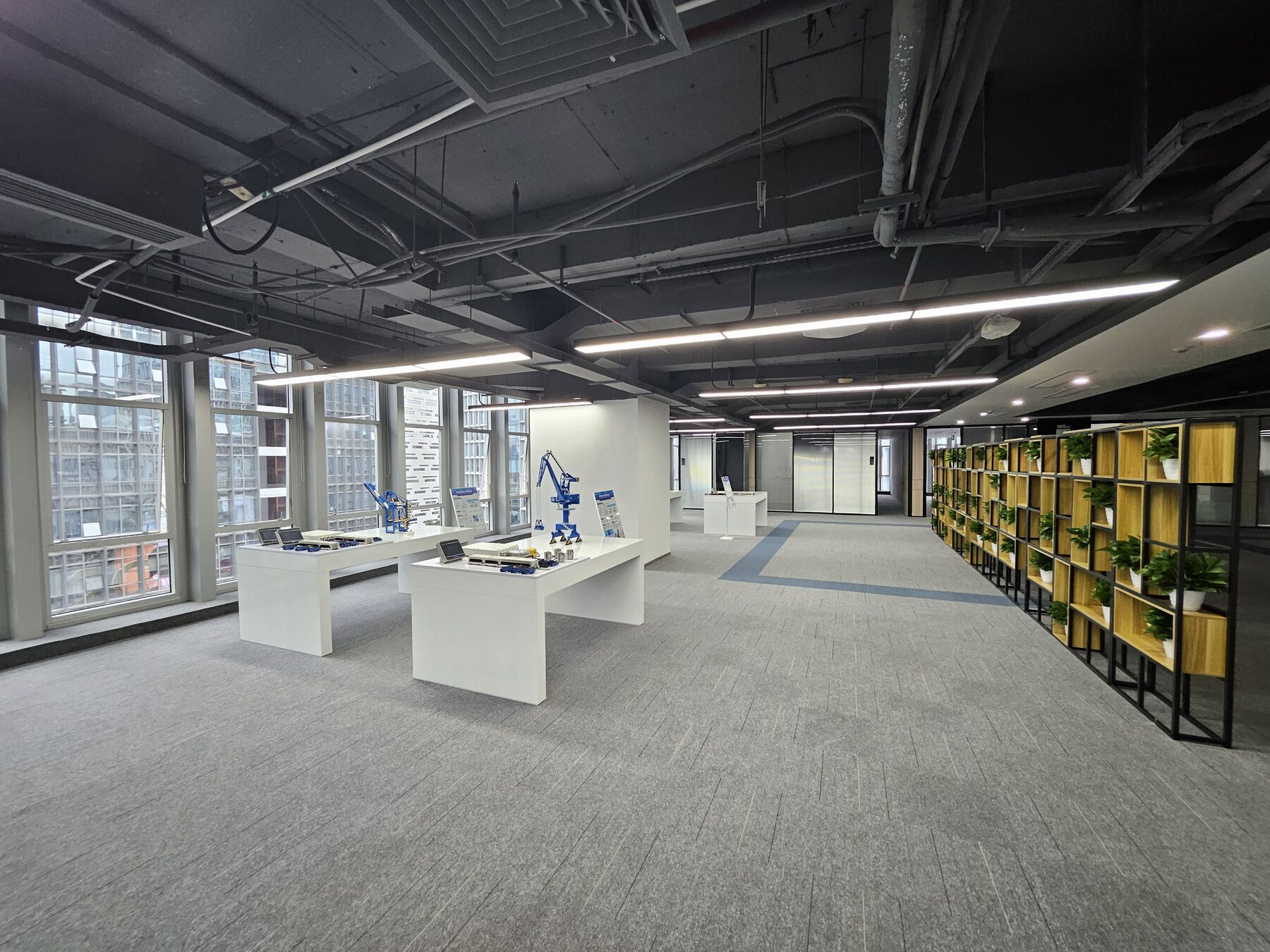
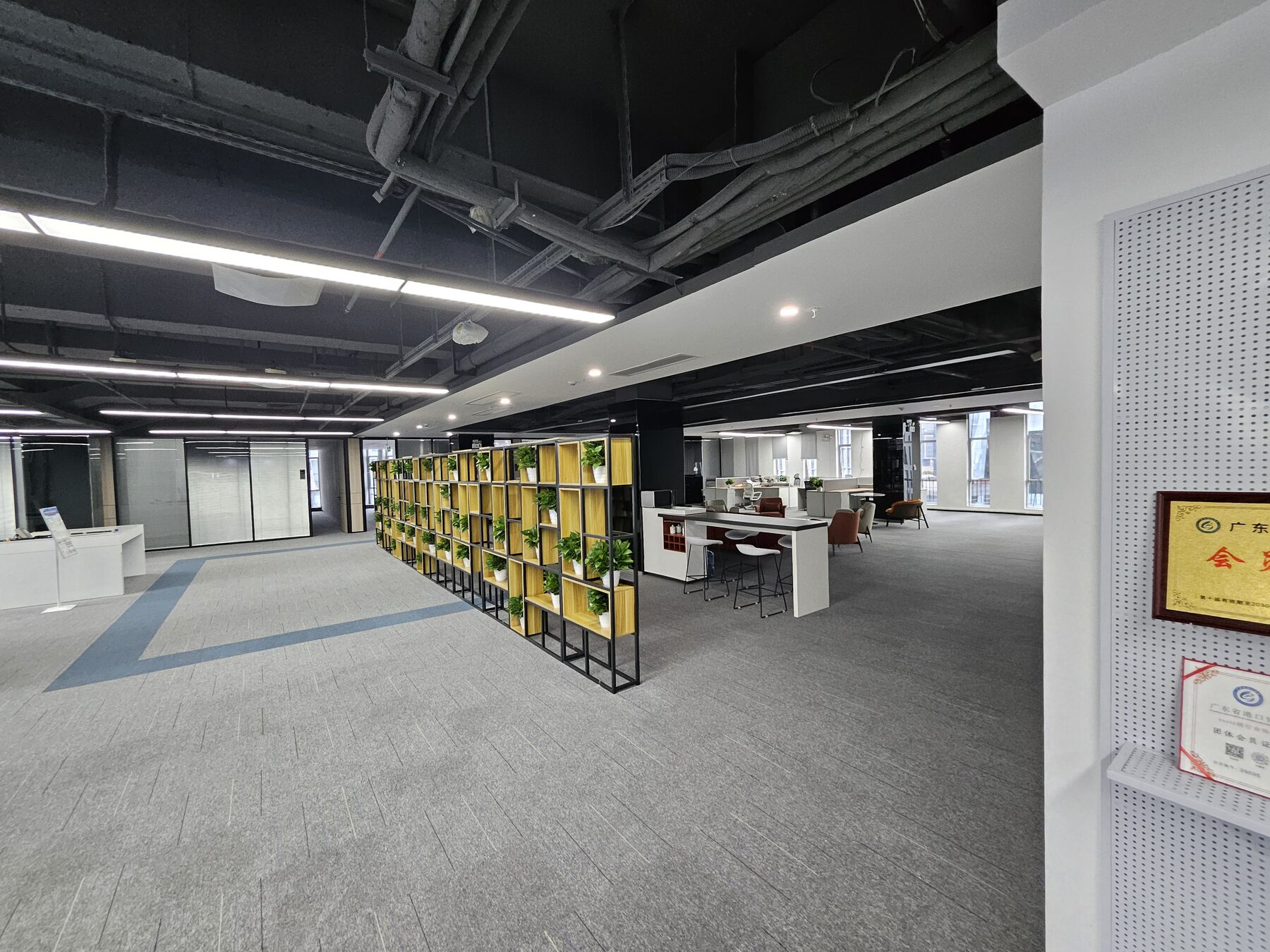
Shenzhen Headquarters
R&D · Sales · Application Engineering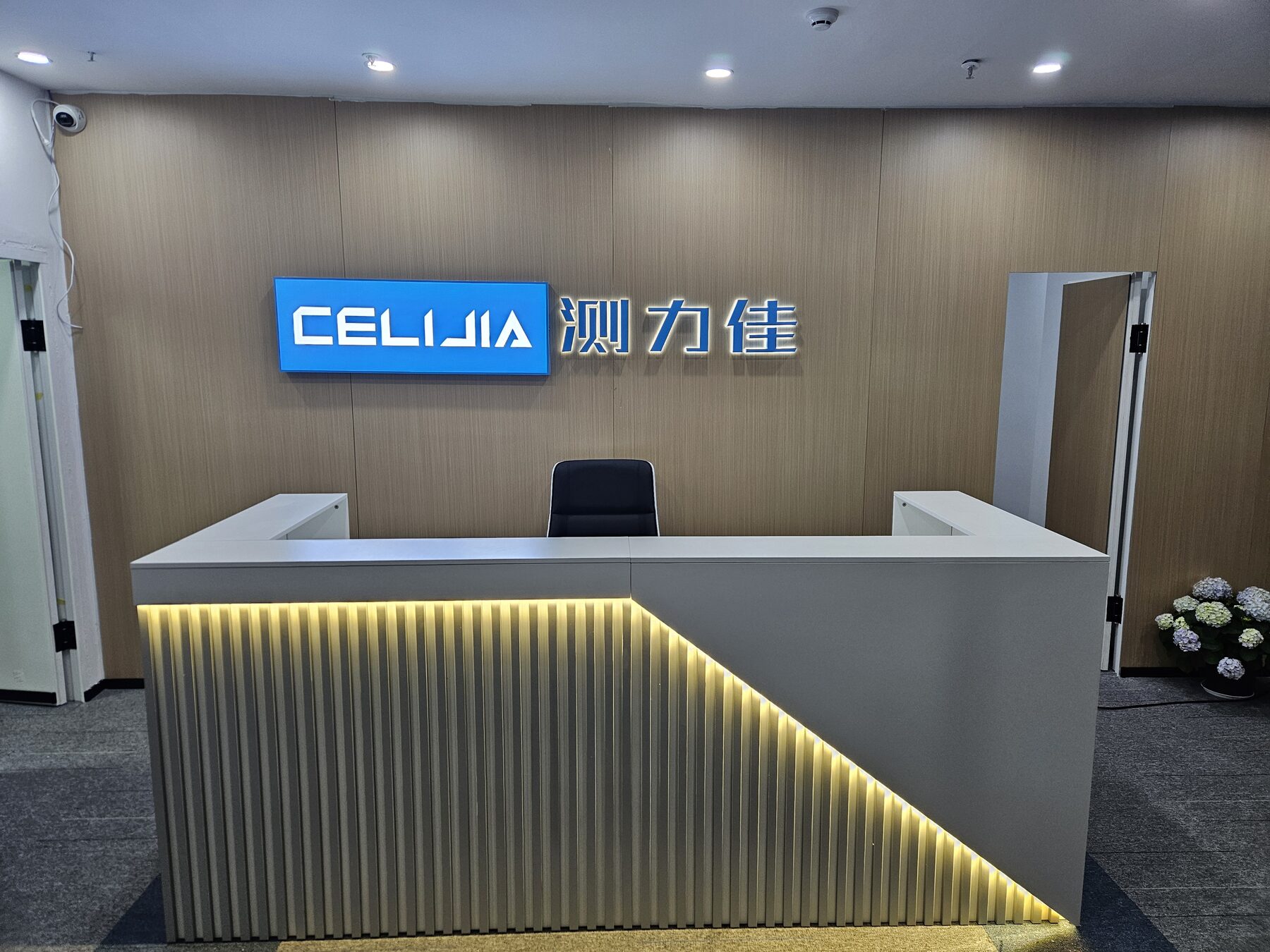
Reception · Software Industry Base, Shenzhen
The front desk and brand wall at our Shenzhen headquarters.
Wuhan Manufacturing & R&D Complex
~2,000 m² · Production · Prototyping · QC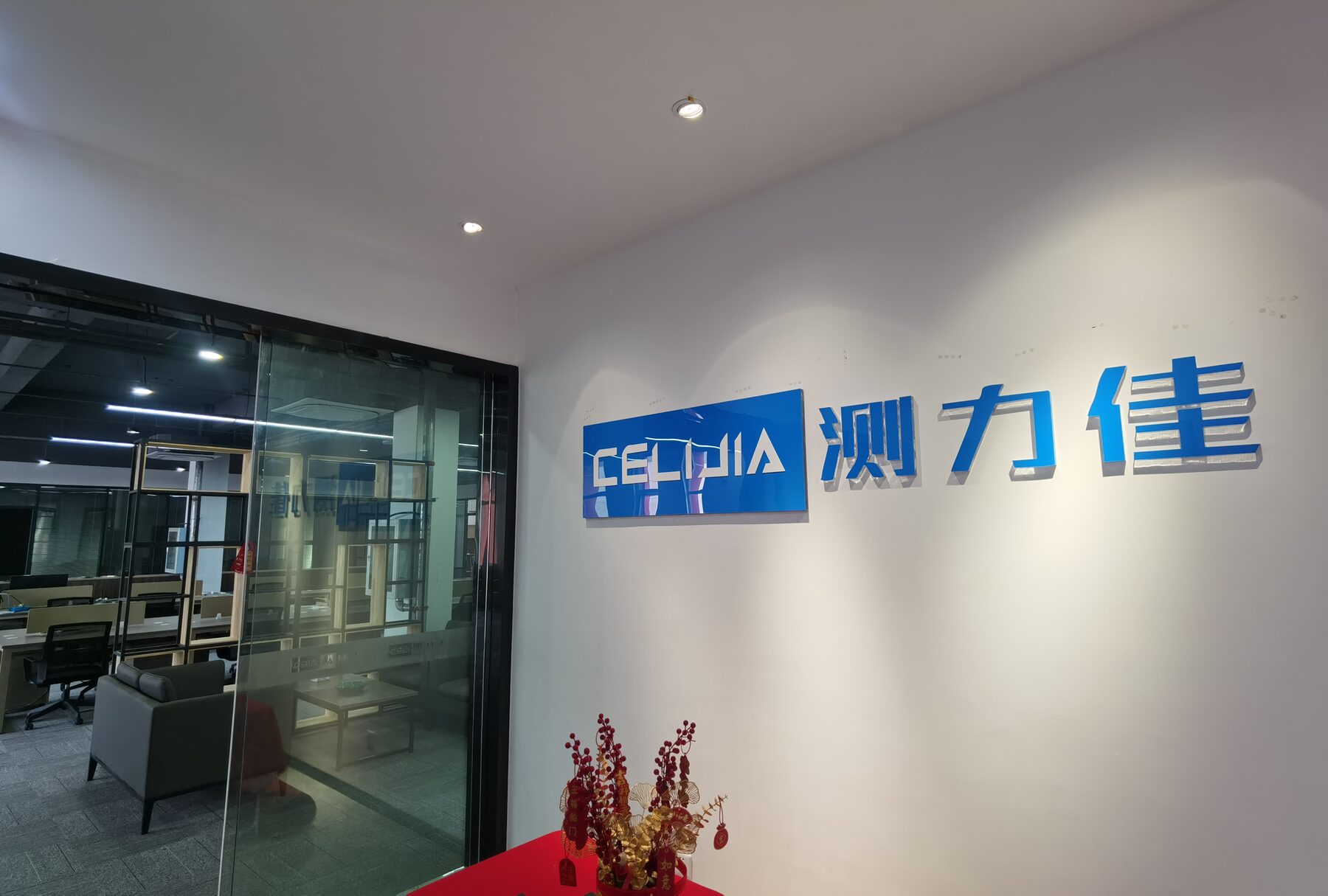
Reception · Jiangxia Intelligent Manufacturing Industrial Park, Wuhan
Opened in 2021 — the production, prototyping and QC home of every Celijia cabinet shipped worldwide.
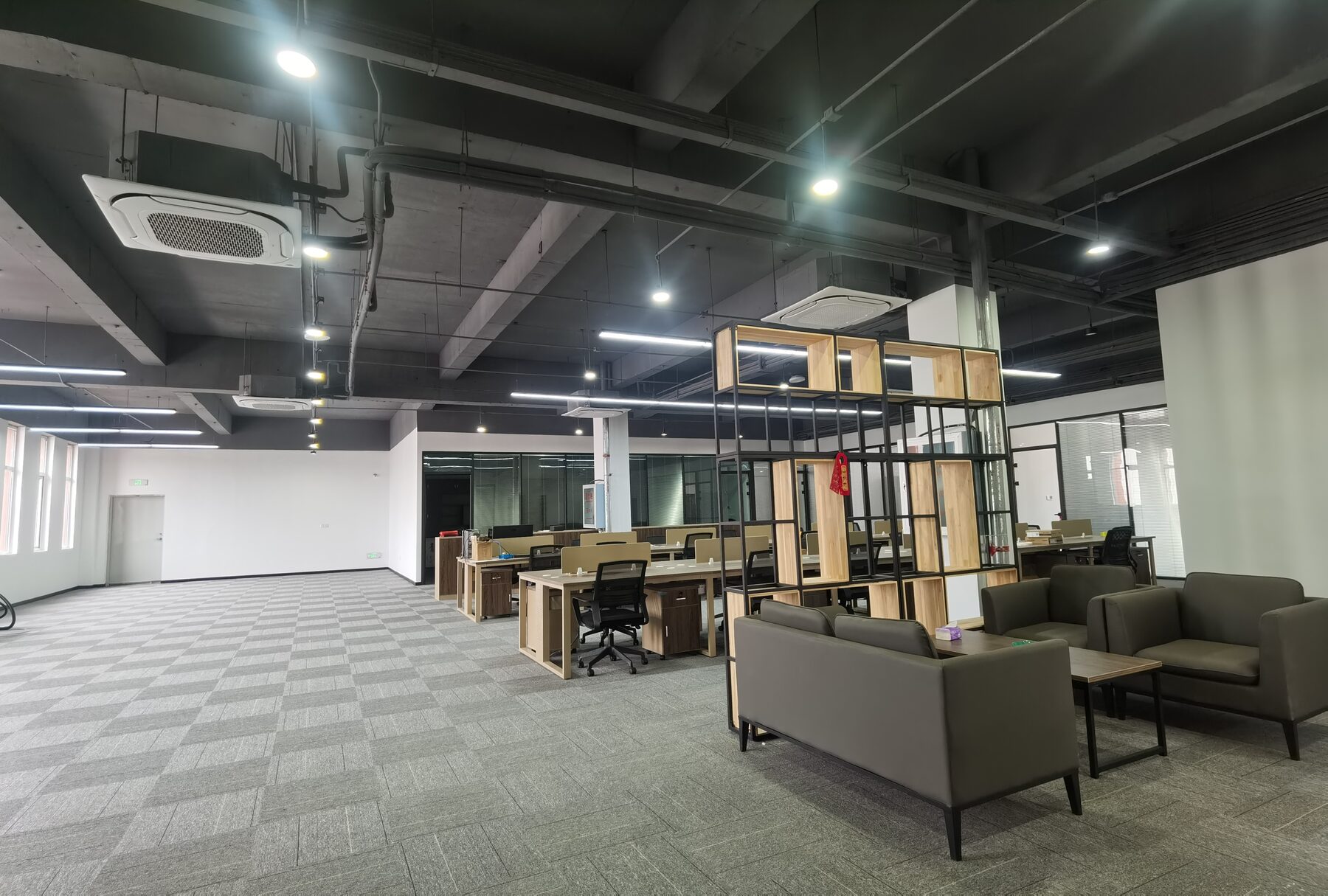
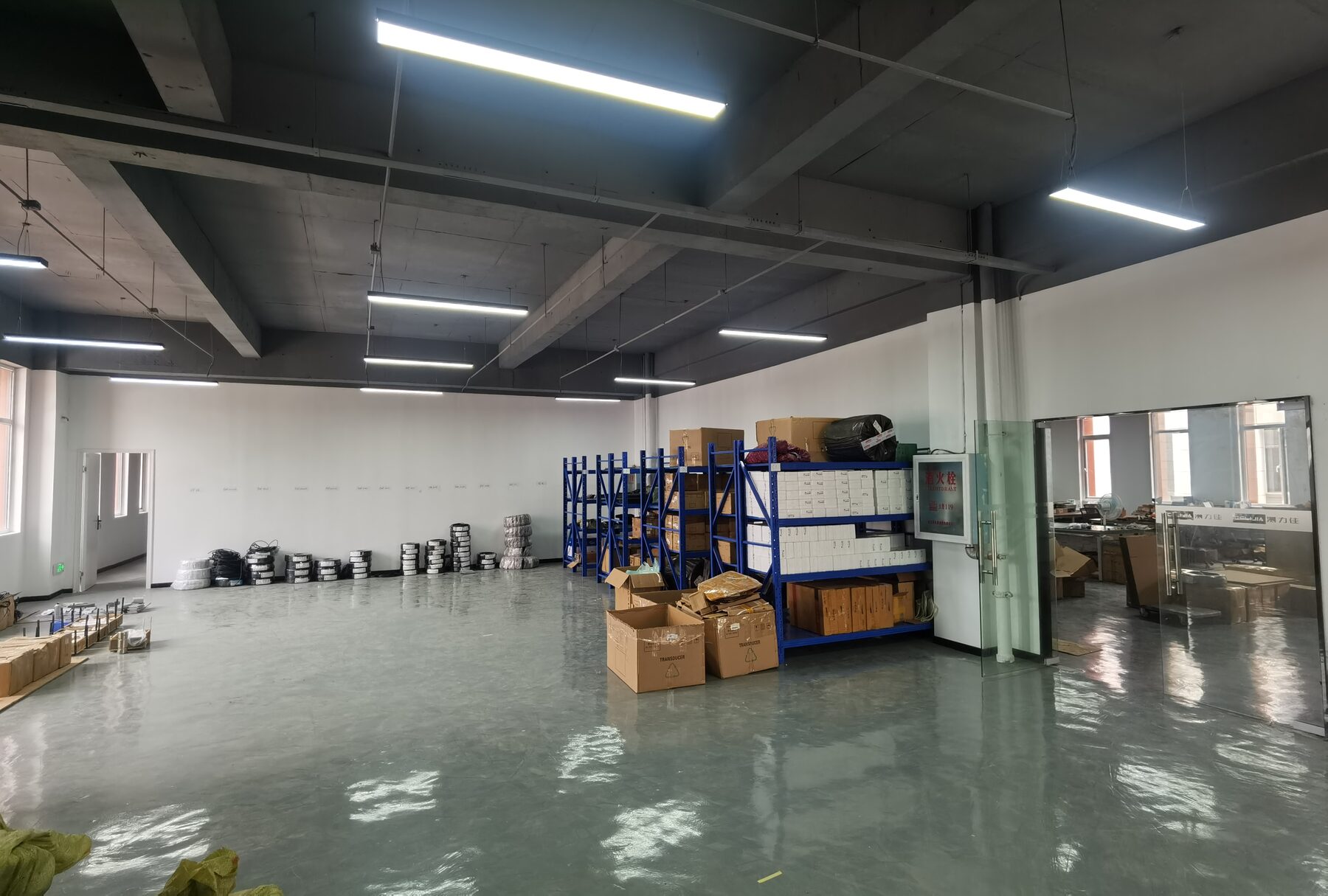
Wuhan campus · ~2,000 m² · Production · Prototyping · QC
8-2#, Liandong U-Valley · Daqiao Road, Jinlong Avenue · Jiangxia District, Wuhan, Hubei
Service engineers, on every crane we ship
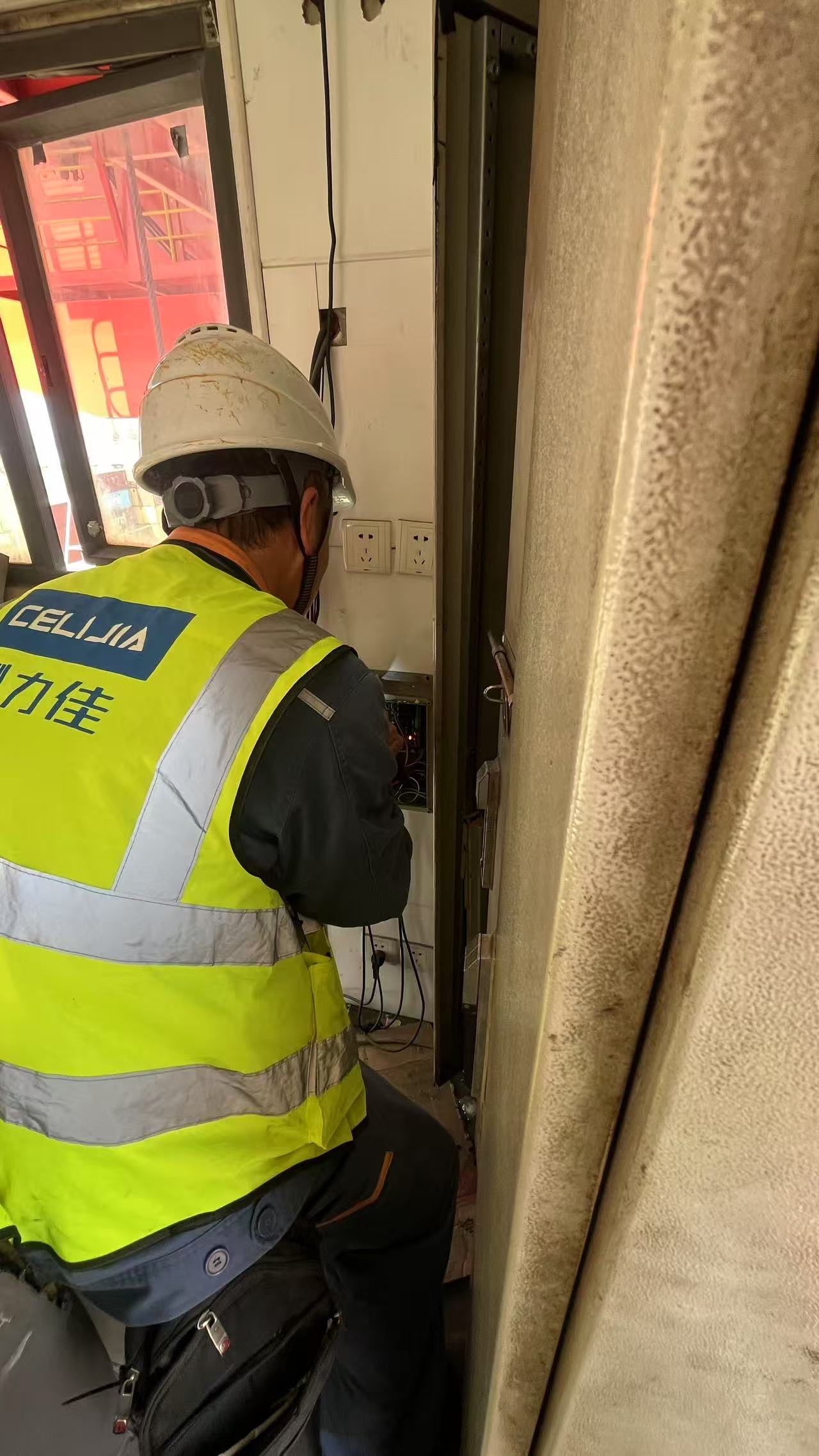
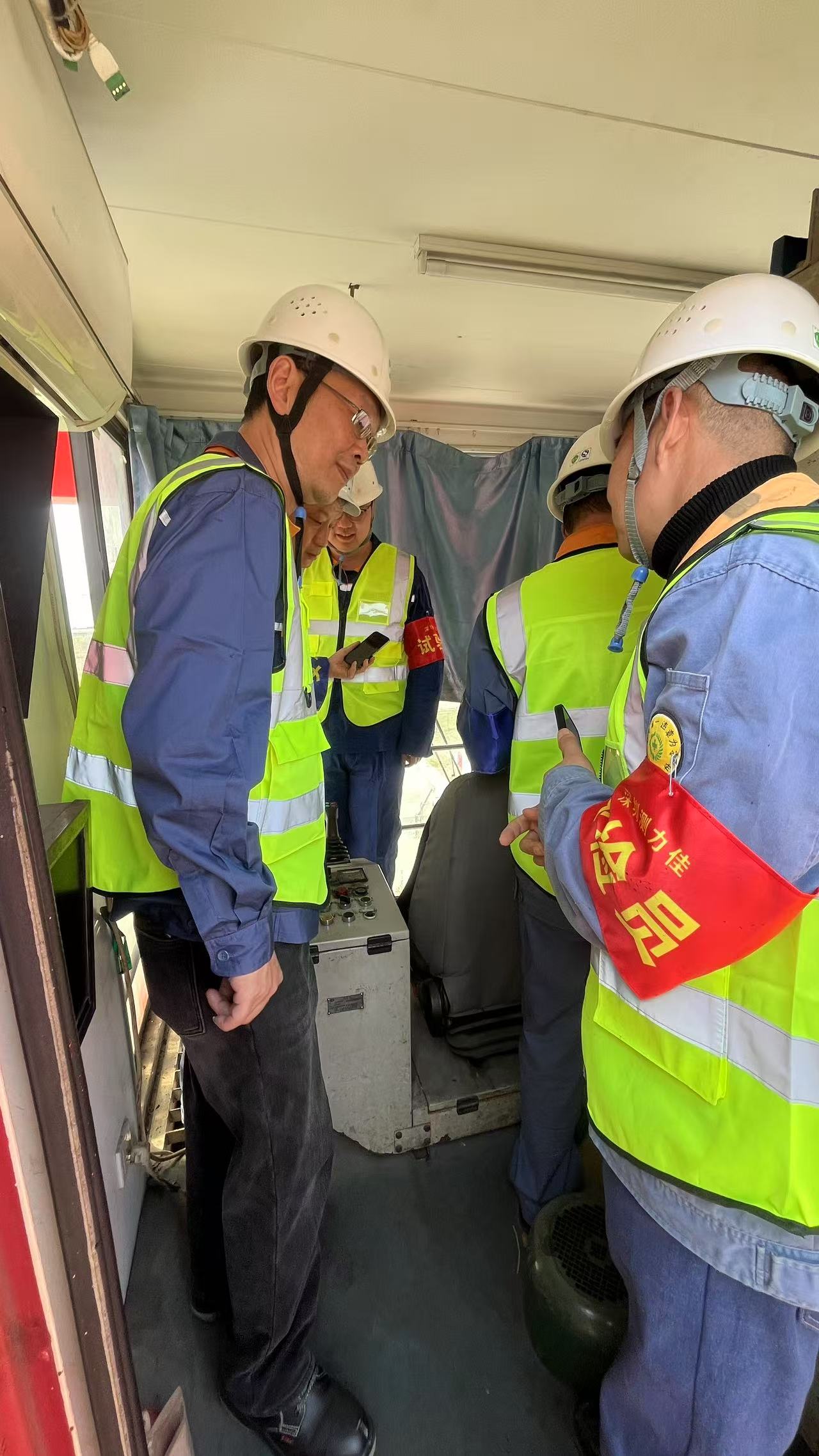
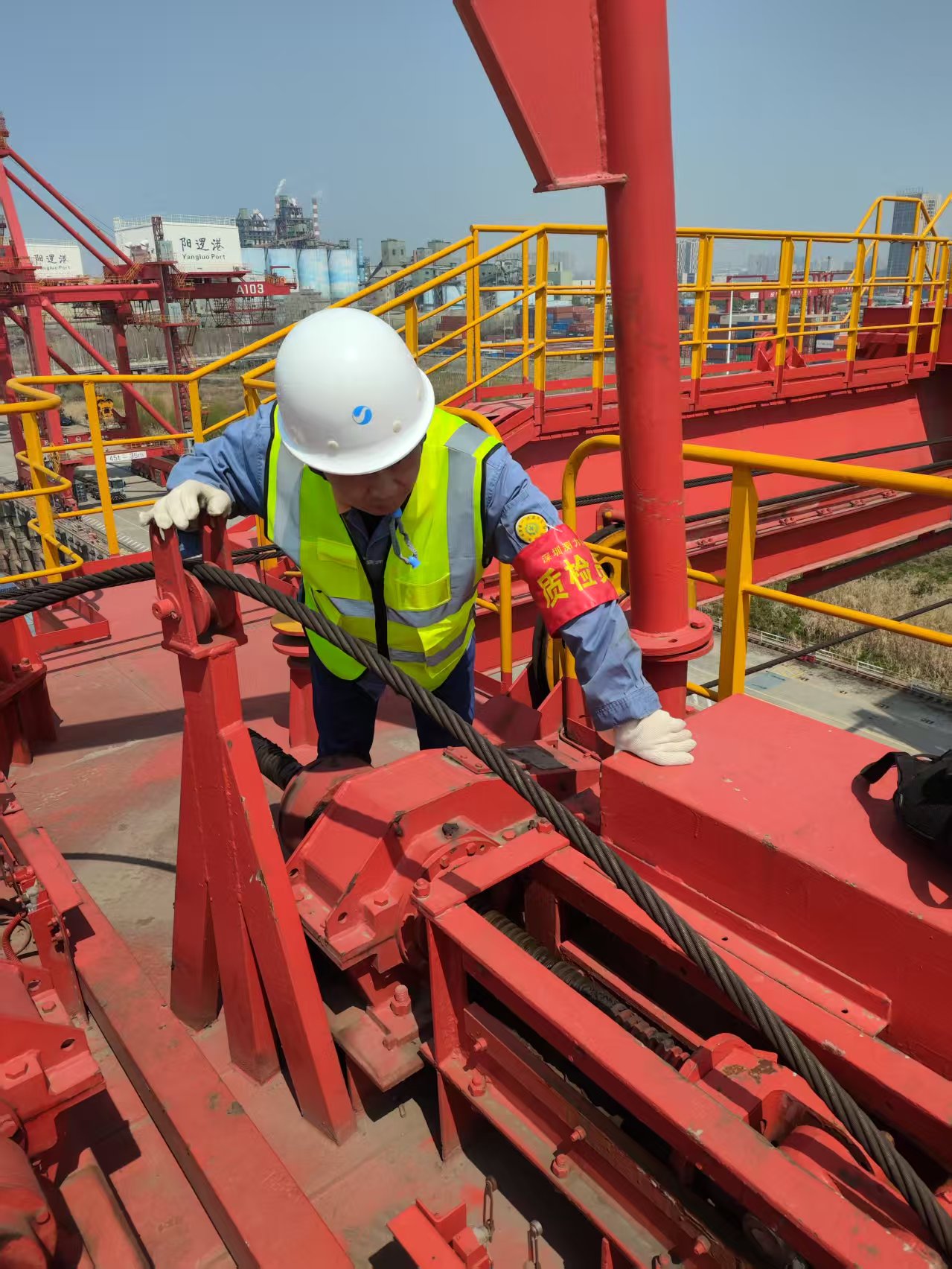
Celijia maintains a dedicated commissioning and service team that travels to terminals — installing, calibrating and supporting our systems alongside crane OEMs and port operators across China.
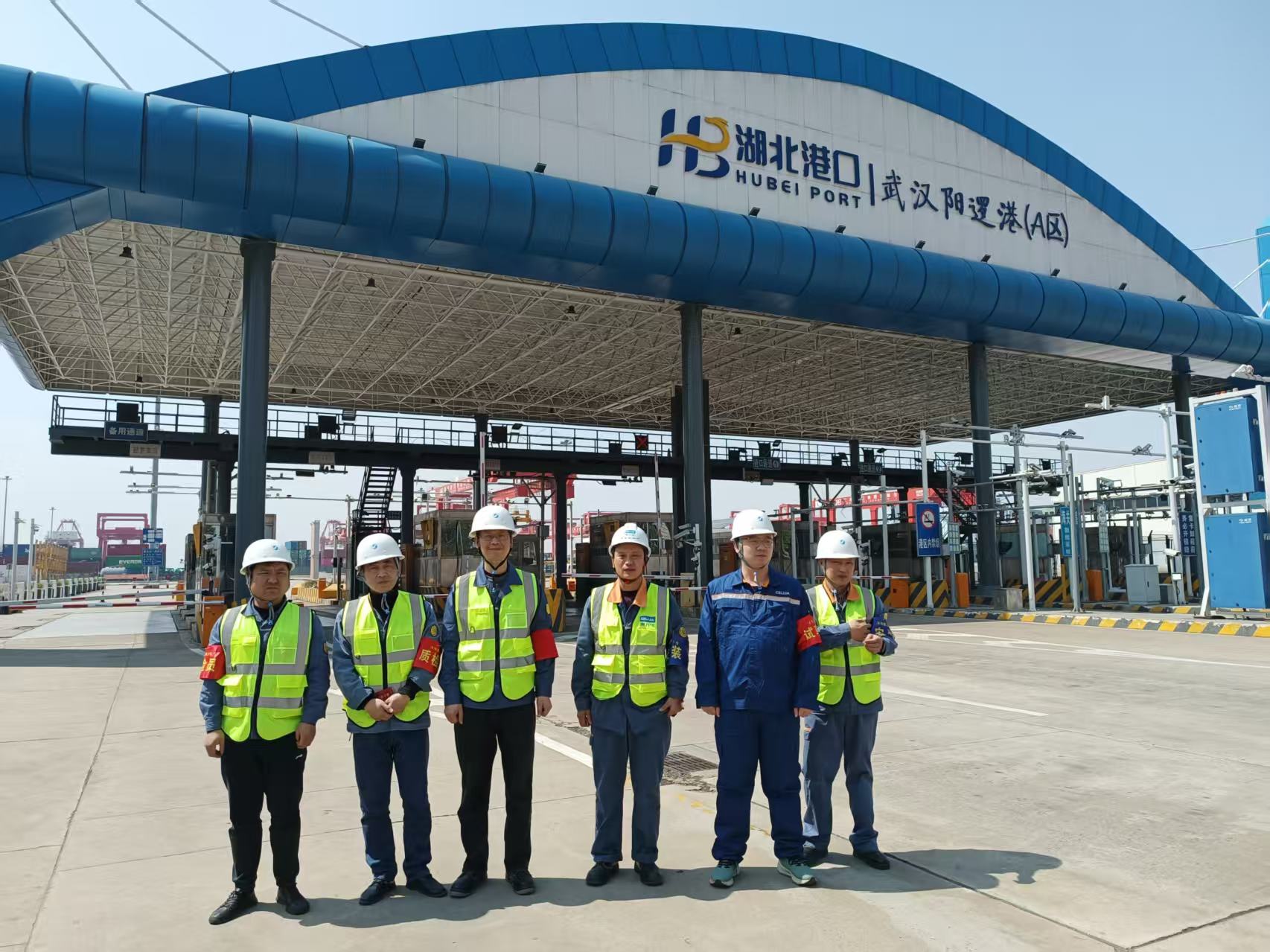
Hubei Port · Wuhan Yangluo
Site visit and joint inspection with port operations.
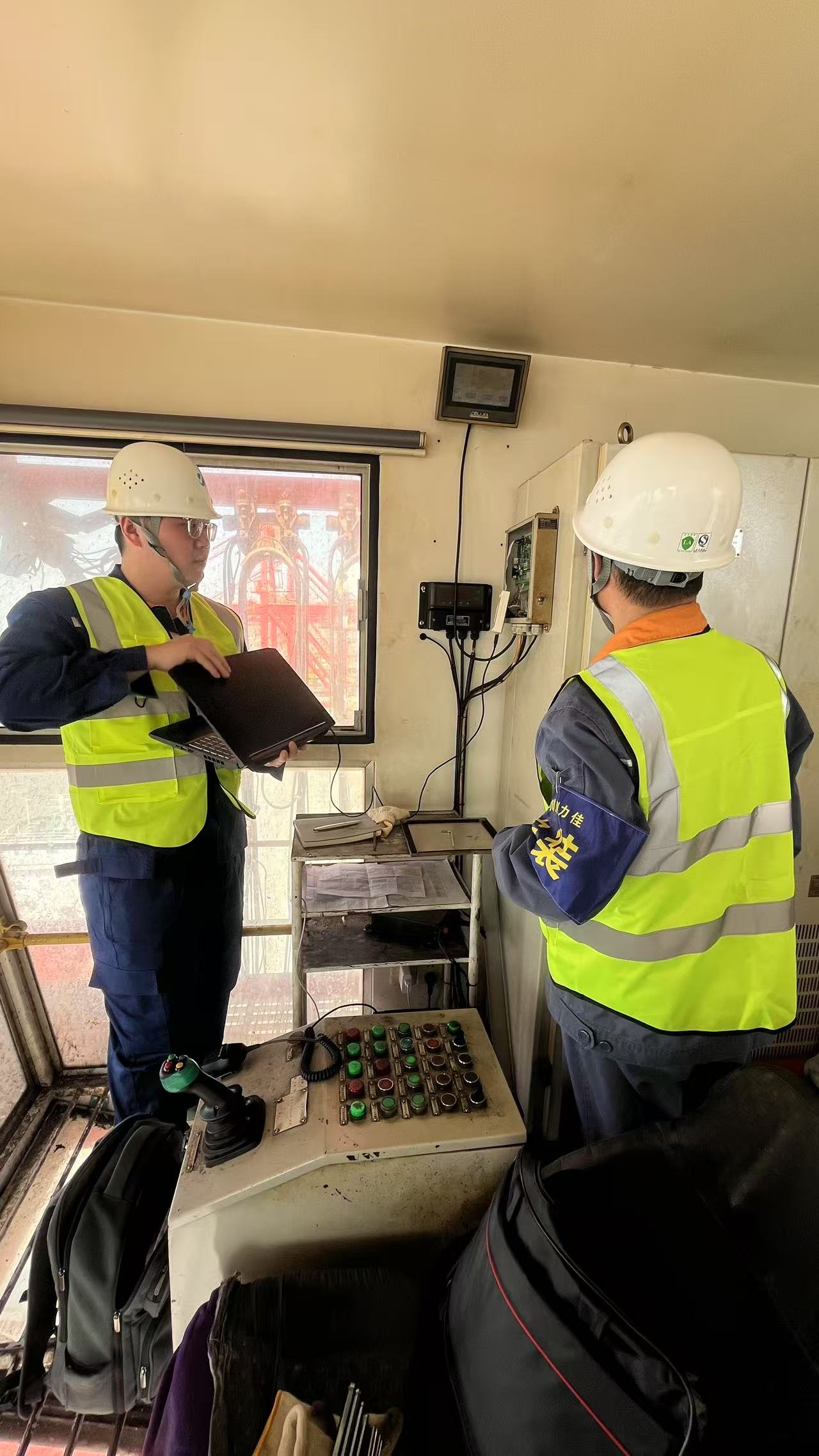
Service philosophy
The engineers who built it answer the phone.
Same team for design, commissioning and long-term support — five years calibration-free is a service promise as much as a hardware spec.
2,000+
Cranes serviced
140+
Customer sites
Integrity service, reputation first.
We measure success not by units shipped, but by the long-term reliability our customers experience year after year — calibration cycles avoided, false alarms eliminated and incidents prevented.