Celijia logo
All products
Core Technology · Celijia IPA Sensor

Intelligent Power-Analysis Sensor

The core of every Celijia system. A sensor-free weighing technology that derives lifting load directly from the hoisting motor's current and voltage signals — no mechanical strain element, no calibration drift, no field-exposed hardware.

Request data sheet

Overview

The Intelligent Power-Analysis Sensor is Celijia's flagship technology. Instead of measuring force with a mechanical strain element, it acquires the hoisting-motor's current and voltage signals through high-precision current and voltage transformers and calculates motor torque output. Combined with the mechanical transmission ratio, the result is the actual lifting load — in real time, with no mechanical sensor in the load path.

Because the sensing element is purely electrical and is mounted inside the equipment room, it is immune to the field-exposure failures that plague traditional load-pin and shear-beam sensors: zero drift, water ingress, mechanical fatigue and impact damage. Customers routinely run the system for five years without calibration and report a service life beyond twelve years.

Every higher-level Celijia product — overload protection, dual weighing, anti-mislifting, advanced load identification, remote diagnostics — is built on top of this sensor. Twenty years of motor power-signal R&D, originator of the category since 2011, with more than 2,000 cranes equipped and 140+ terminal customers behind it.

Key features

  • Sensor-free architecture — eliminates zero-drift and field-exposed wear parts
  • 20,000 samples / second sampling rate; reaction delay < 0.6 s
  • Overall weighing accuracy < 2 % across the operating envelope
  • 5 years calibration-free, > 12 years service life
  • Self-learning automatic zero-point calibration during empty-lift cycles
  • Foundation for the entire Celijia product line — overload protection, dual weighing, anti-mislifting, advanced load identification and remote diagnostics
In the field

Installation photos

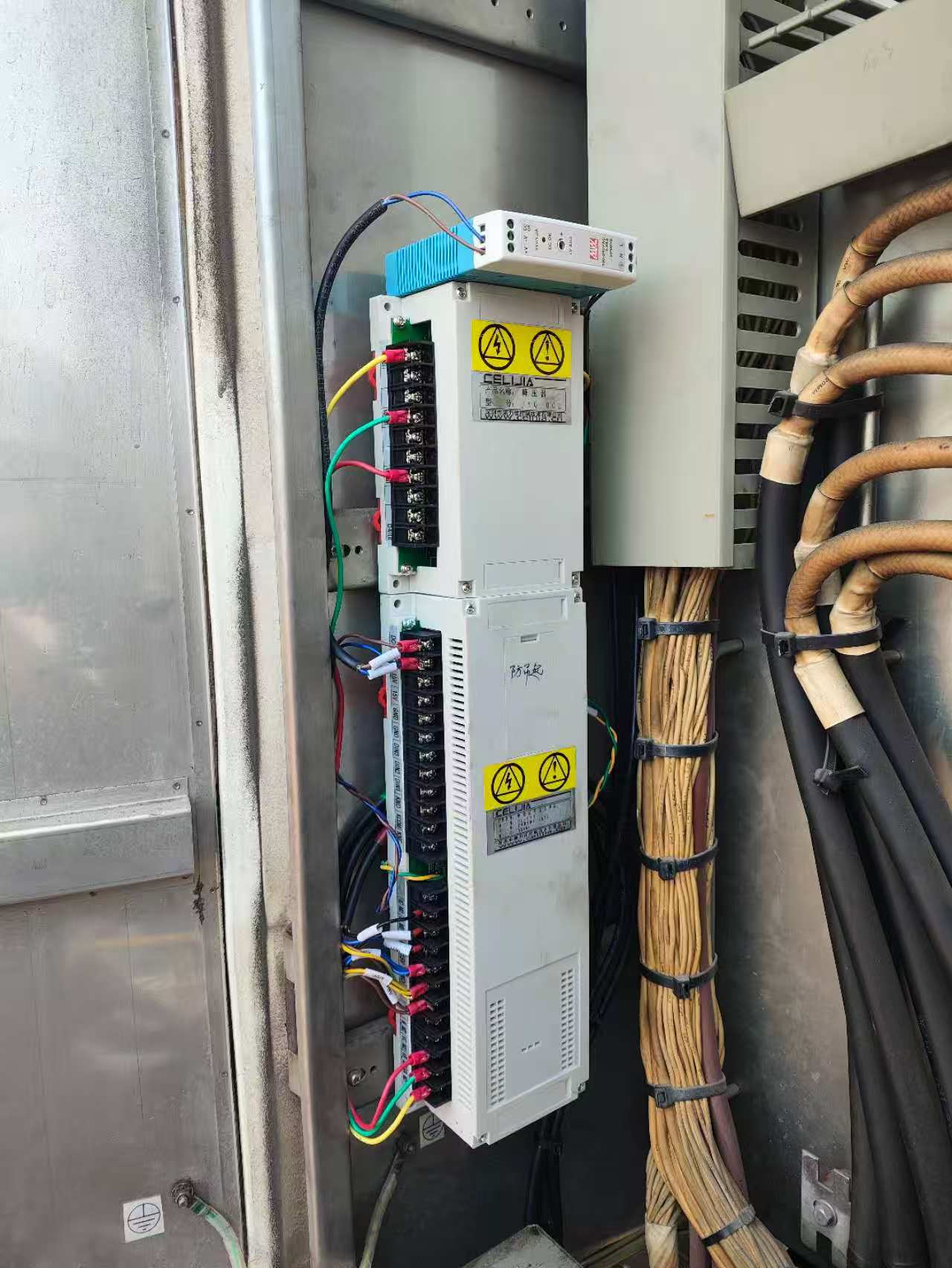
Celijia voltage signal-conditioning module installed inside a crane equipment cabinet, wired into the hoisting-motor power circuit.
Voltage signal-conditioning module — installed inside the crane equipment cabinet and wired directly into the hoisting-motor power circuit. Steps the line voltage down to a safe sampling level for the IPA acquisition unit.
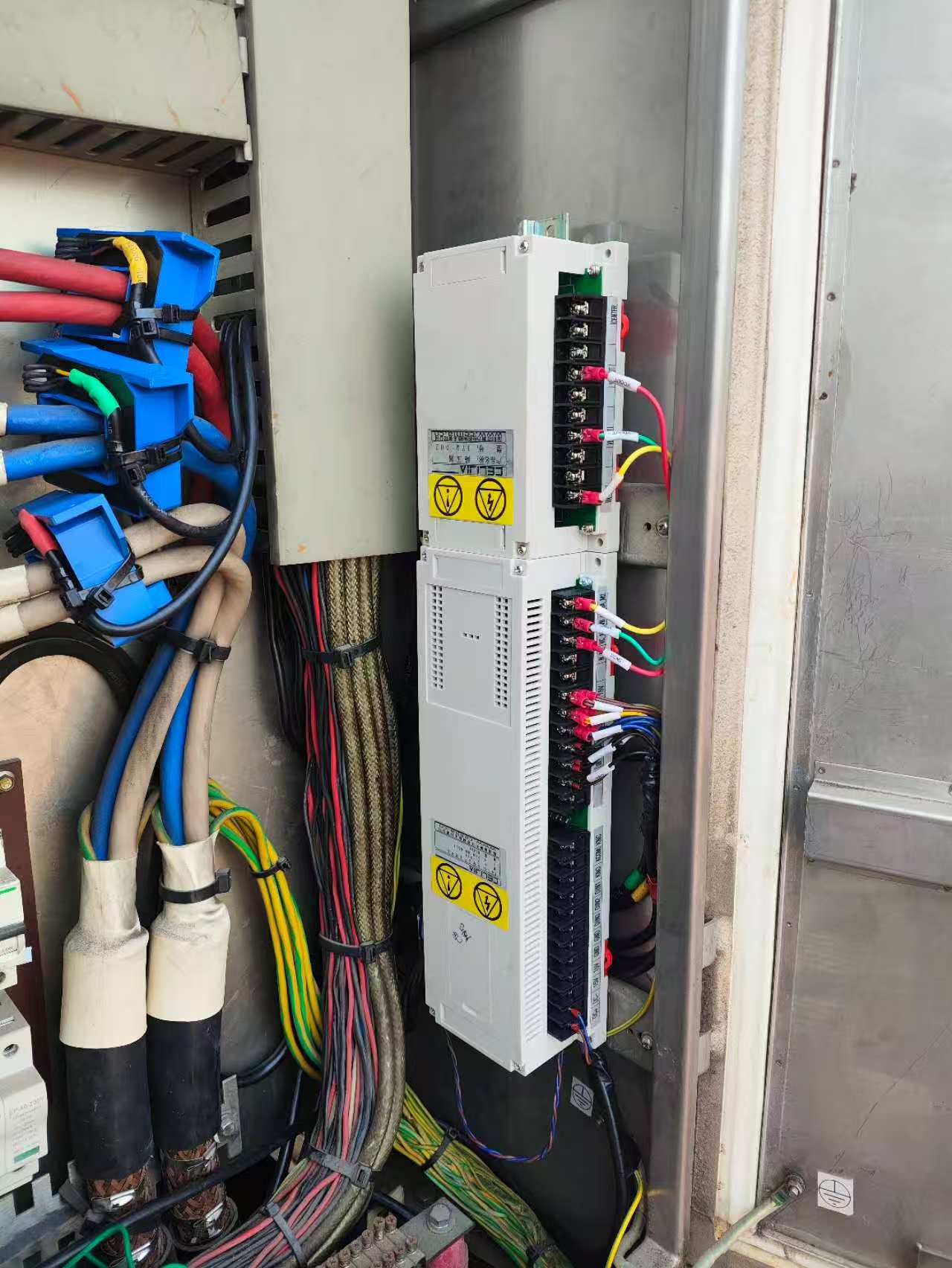
Field-installed Celijia power-signal acquisition unit mounted next to a heavy-current cable bundle on an STS crane.
Field installation — the Celijia power-signal acquisition unit is mounted on the back plate of the crane equipment cabinet, sitting directly alongside the hoisting-motor's three-phase power bundle. No mechanical sensors are added to the load path.
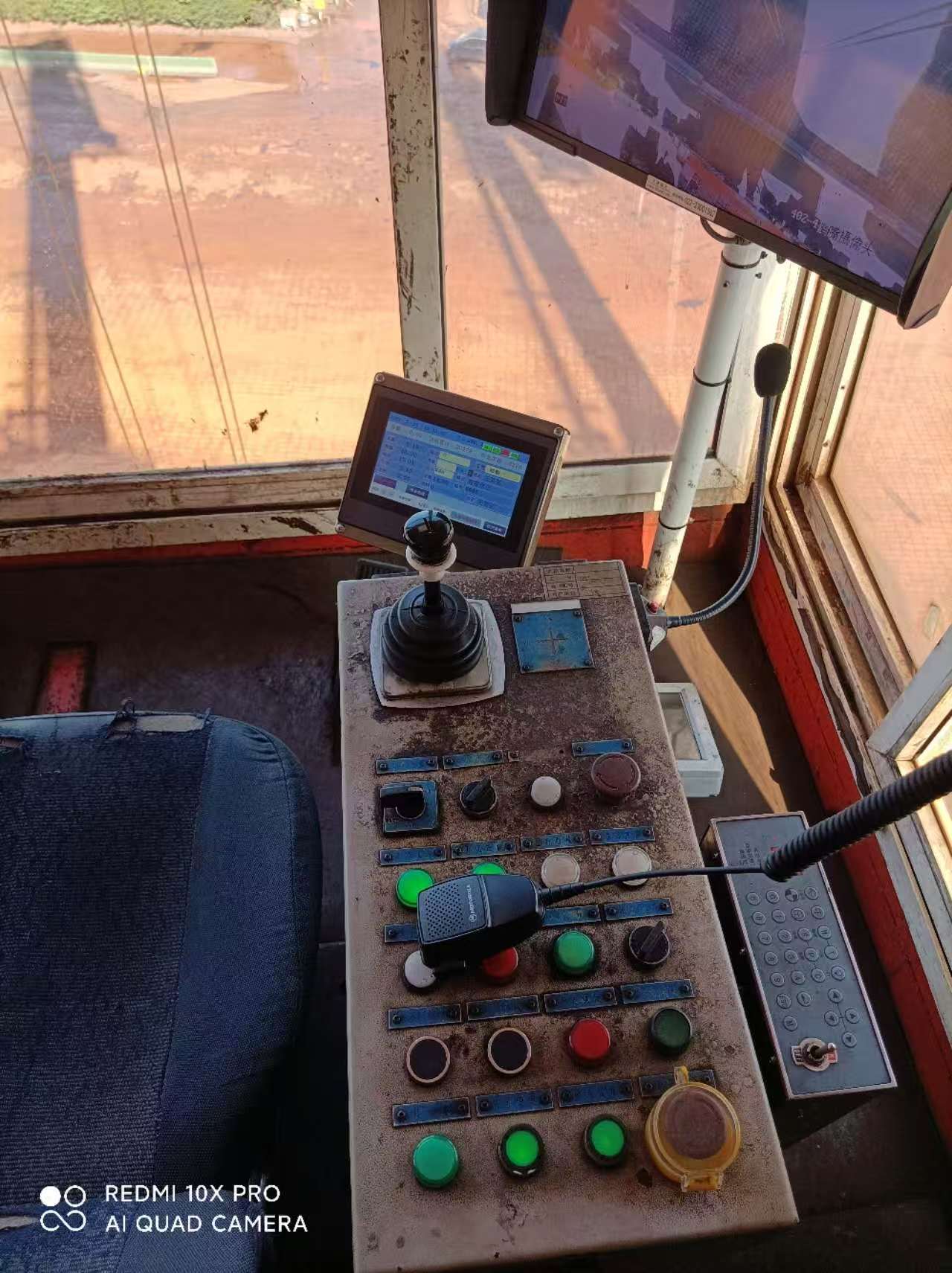
Operator cab on a deployed crane — Celijia weighing display and CCTV monitor mounted next to the joystick console.
Operator cab integration — the Celijia weighing display sits next to the joystick console, giving the operator real-time load, imbalance and overload status. The system integrates cleanly with the existing crane HMI without disrupting the operator workflow.
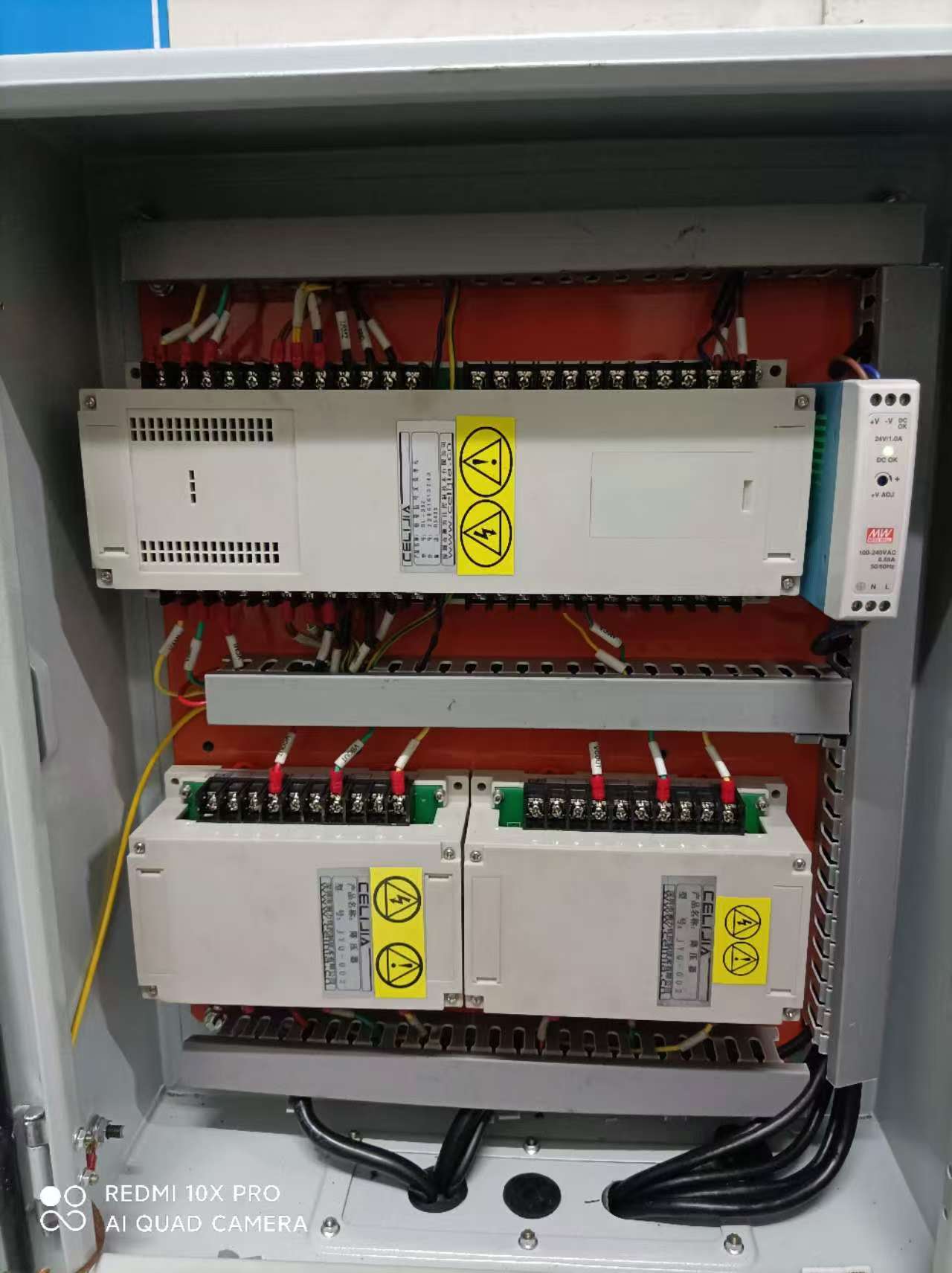
Celijia DL-382 power-analysis modules and 24 V power supply installed inside an industrial control cabinet with structured terminal wiring.
Main signal-processing cabinet — Celijia DL-382 power-analysis modules and a 24 V industrial supply are mounted on the cabinet rail with structured terminal wiring. This is the central node where motor current and voltage signals are conditioned before being fed to the power-analysis logic.
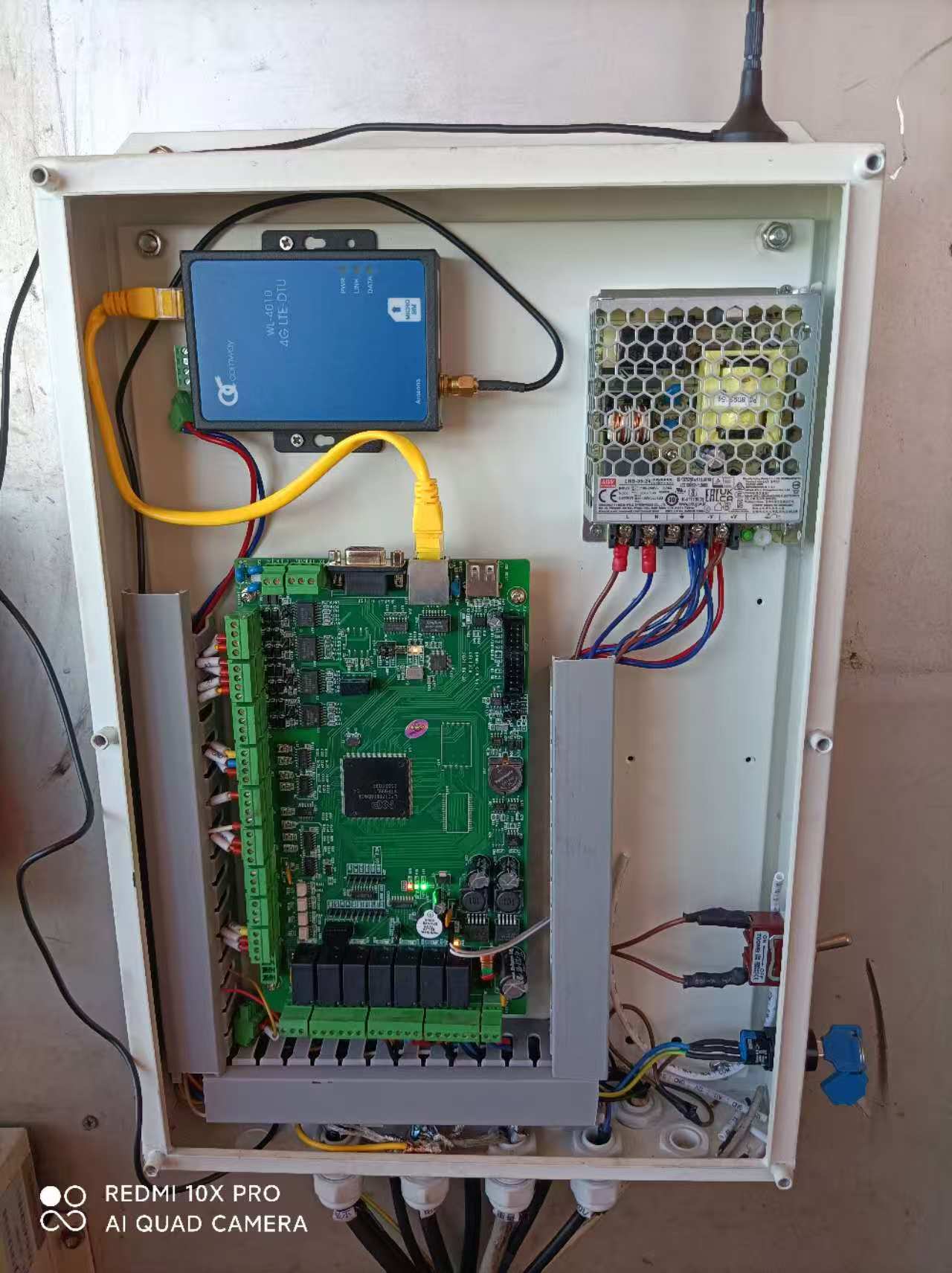
Celijia main controller board with on-board relays, 4G communication gateway and MeanWell DC supply, deployed inside a wall-mounted enclosure.
Main controller assembly — the Celijia core board, 4G communication gateway and DC power supply, deployed inside a wall-mounted enclosure. This is what runs the real-time power-analysis algorithm and exchanges weighing, alarm and diagnostic signals with the crane PLC and the cloud platform.